Traveling to Africa: Complete Guide to Plan Your Adventure
Traveling to Africa is one of those experiences that transforms the way you see the world. A vast, diverse, and contrasting continent that ranges from the Sahara deserts to the tropical jungles of the Congo, passing through the eastern savannas and the paradisiacal beaches of the Atlantic. If you're thinking of taking the step, this guide will help you plan everything calmly and without surprises.
Why Choose Africa as a Travel Destination?
Africa is not just another destination. It's the continent where humanity was born, where nature still shows its wildest face, and where local cultures maintain an ancestral richness that's hard to find elsewhere. Traveling to Africa means disconnecting from the usual rhythm and connecting with something deeper: breathtaking landscapes, pure fauna, and communities that will welcome you with genuine hospitality.
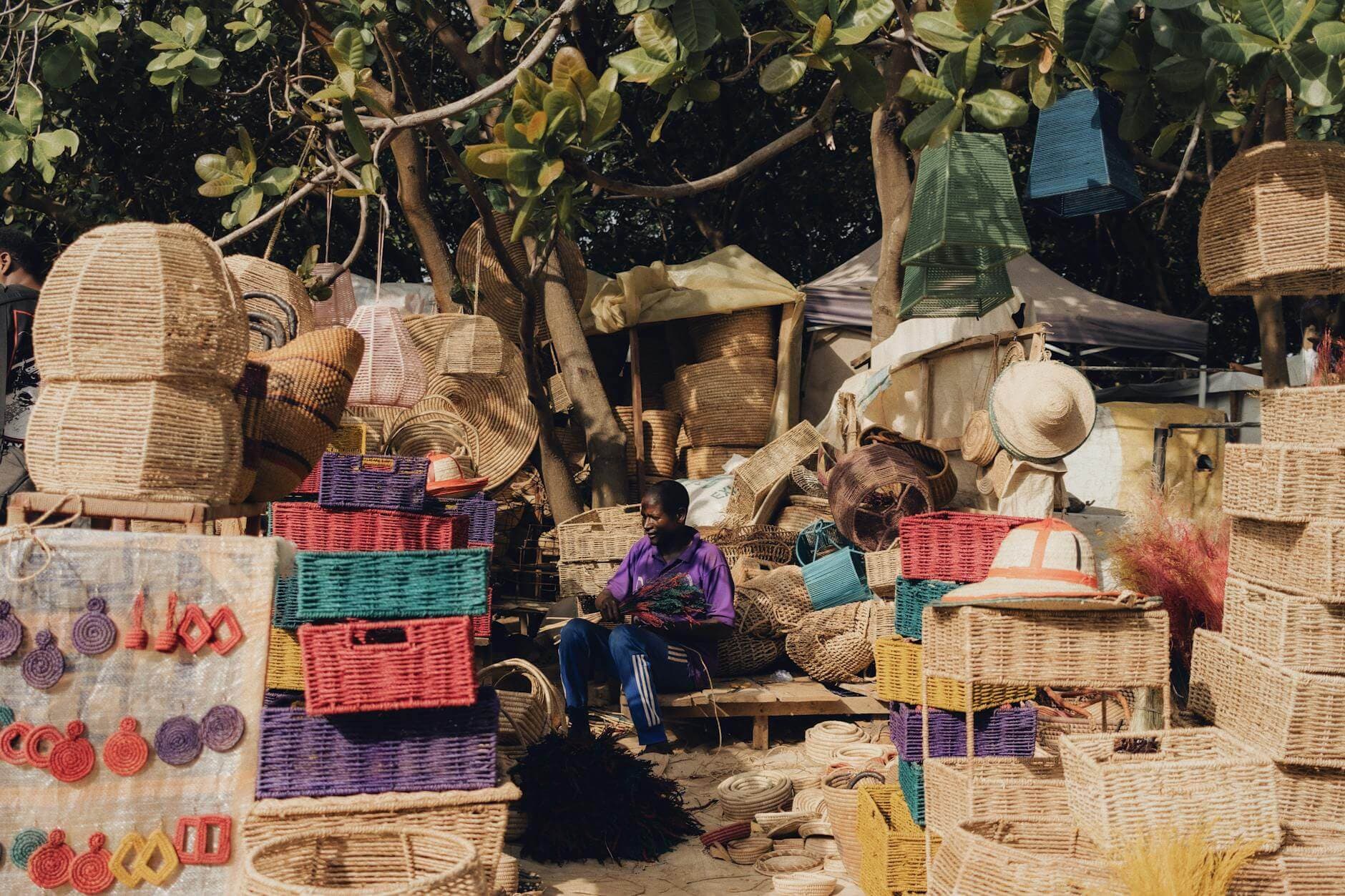
Additionally, the African continent offers an almost endless variety of experiences. You can go on a safari in Tanzania, get lost in the markets of Marrakech, surf on the coasts of Senegal, or explore the ruins of Carthage in Tunisia. Each region has its own character and rhythm.
Most Popular Destinations for Traveling to Africa
West Africa: Senegal and Beyond
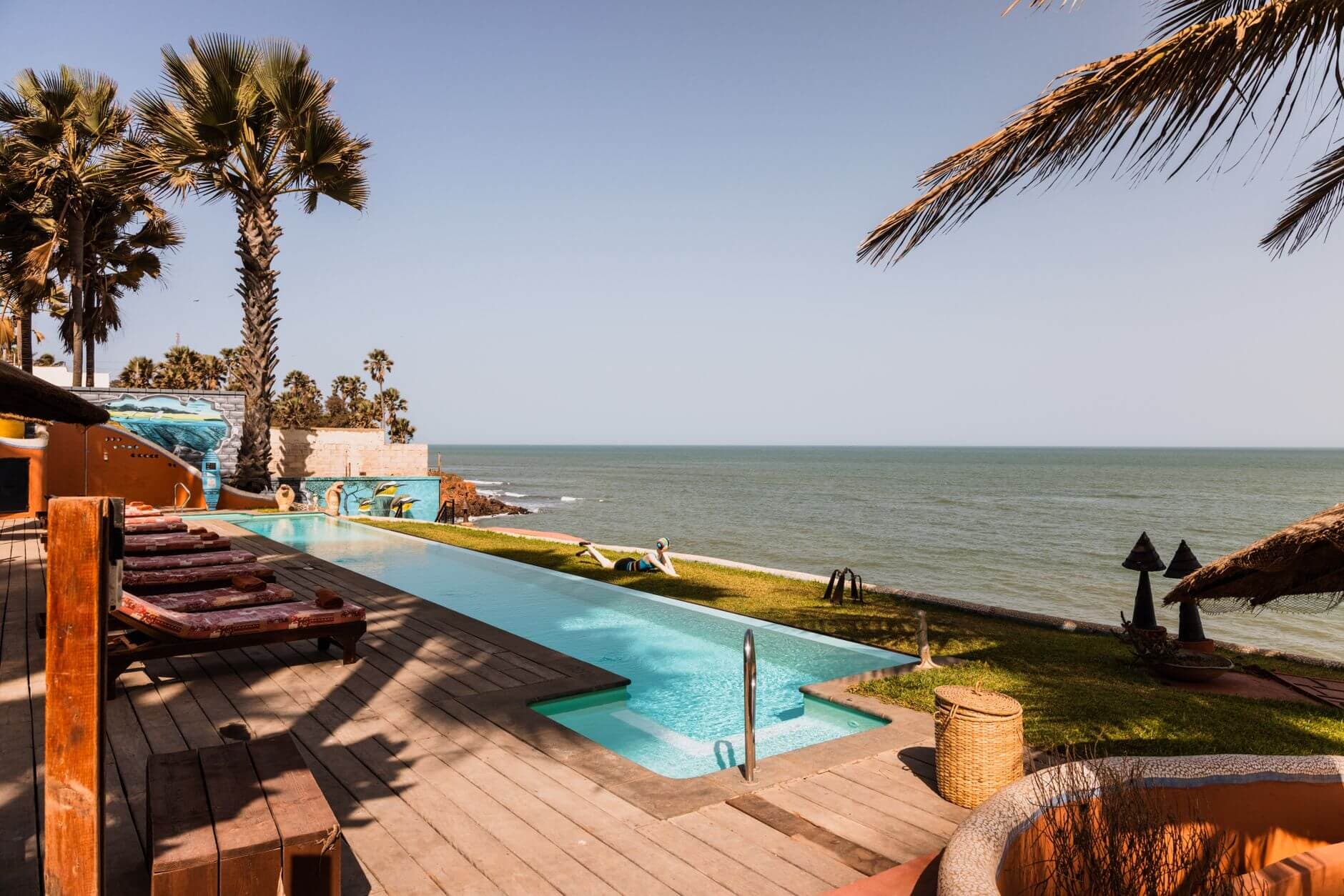
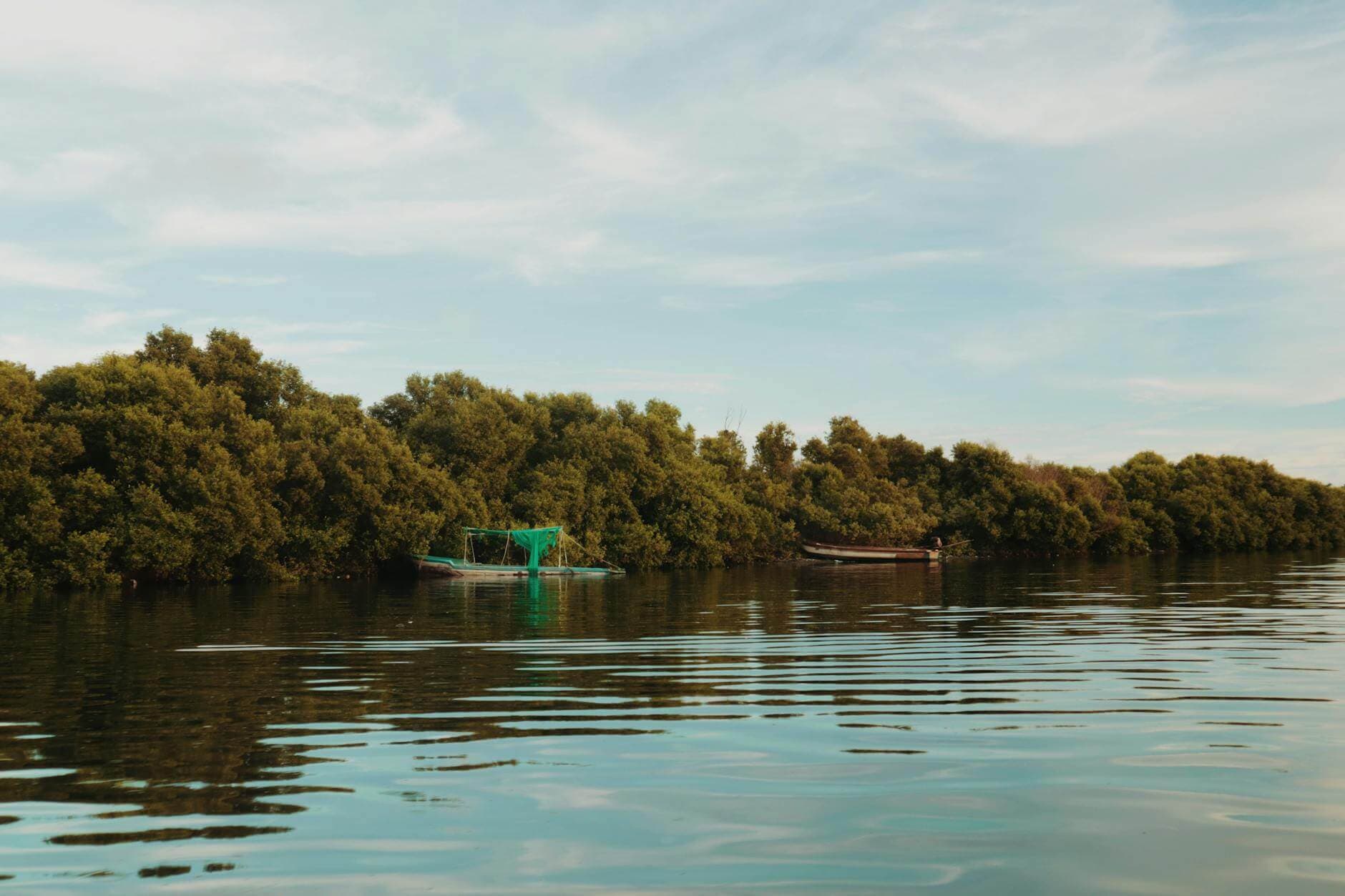
Senegal is one of the most accessible and safest destinations in West Africa. Dakar, its capital, is a vibrant city with a thriving cultural and gastronomic scene. Just a few kilometers from the capital, you'll find natural jewels like the Somone Lagoon, a mangrove ecosystem perfect for canoe excursions. The beaches of the Petite Côte, with their warm waters and relaxed atmosphere, complete a very comprehensive tourist offer. From NeoGeo DMC, we organize custom trips to Senegal that combine culture, nature, and local gastronomy.
East Africa: Safaris and Epic Landscapes
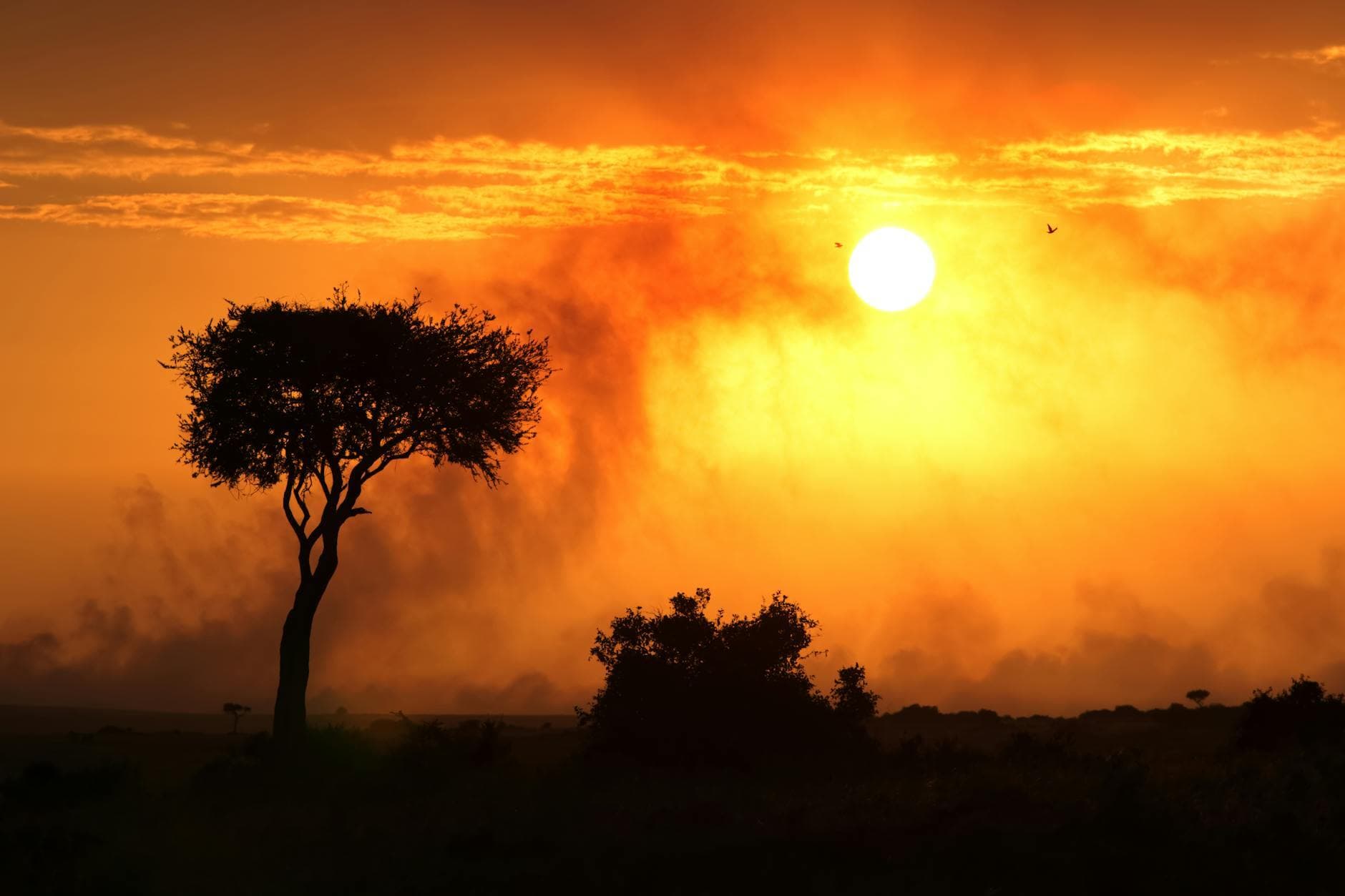
Kenya and Tanzania are the kings of the African safari. The Serengeti National Park and the Maasai Mara are the settings for the Great Migration, one of the most impressive natural spectacles on the planet. Rwanda, on the other hand, offers the unique experience of observing mountain gorillas in their natural habitat. If you want to combine safari with beach, Zanzibar is the perfect complement.
North Africa: History and Millenary Culture
Morocco, Egypt, and Tunisia are ideal entry points for those traveling to Africa for the first time. The pyramids of Giza, the medina of Fez, or the Roman mosaics of Carthage are just a few examples of an unparalleled historical heritage. The proximity to Europe and good air connections make this region a very comfortable option.
Southern Africa: Nature in its Purest State
South Africa, Botswana, Namibia, and Zimbabwe form one of the most spectacular circuits on the continent. Victoria Falls, the Namib Desert with its reddish dunes, or Kruger National Park are destinations that appear on any traveler's wish list. Cape Town, in addition, is one of the most cosmopolitan and beautiful cities in the world.
Best Time to Travel to Africa
The answer depends on the destination and the type of experience you're looking for. As a general rule:
- East Africa (safaris): the dry season, between June and October, is ideal for spotting wildlife. The Great Migration in the Maasai Mara reaches its peak between July and September.
- West Africa (Senegal): the dry season, from November to May, offers the best climate for exploring the country. The temperatures are pleasant, and the rains are minimal.
- North Africa: spring (March-May) and autumn (September-November) are the most comfortable times to visit Morocco or Egypt, avoiding the extreme heat of summer.
- Southern Africa: between May and October, the weather is dry and cool, perfect for safari and exploring the waterfalls.
Entry Requirements and Documentation
The requirements vary depending on the destination country and the traveler's nationality. In general, you will need:
- Valid passport with at least six months' validity from the date of entry.
- Visa: some countries like Senegal do not require a visa for European Union citizens, while others like Kenya or Tanzania offer a visa on arrival or an electronic visa in advance. Always consult the corresponding embassy or consulate before traveling.
- Travel insurance: essential. Make sure it covers medical assistance, evacuation, and cancellation.
From NeoGeo DMC, we advise you on all the necessary procedures so that your trip to Africa does not have any bureaucratic setbacks.
Vaccines and Health for Traveling to Africa
Health is one of the aspects that most concerns those planning a trip to Africa, and with reason: good medical preparation is fundamental. The most common recommendations include:
- Yellow fever: mandatory for entering several countries in West and Central Africa. The international vaccination certificate may be required at the border.
- Hepatitis A and B: recommended for most African destinations.
- Typhoid: especially if you're going to rural areas or consuming food at local markets.
- Malaria: not a vaccine, but a medical prophylaxis. Consult with your doctor or a center for international vaccination at least four weeks in advance.
- Rabies and meningitis: depending on the area and type of trip.
We recommend visiting an international vaccination center with sufficient notice, as some vaccines require several doses spaced out over time.
Practical Tips for Traveling to Africa
- Always carry bottled water and avoid ice in areas where the water is not potable.
- Protect yourself from the sun with high-protection cream, a hat, and light clothing.
- Respect local customs: in many African countries, modest dress is a sign of respect.
- Exchange currency at official entities or bank ATMs. Avoid street changes.
- Hire a trusted tour operator who knows the destination in depth. A local DMC like NeoGeo DMC guarantees a safe, personalized, and positively impactful experience on the local community.
Frequently Asked Questions about Traveling to Africa
Is it Safe to Travel to Africa?
Africa is a vast continent with very diverse realities. There are countries with high standards of tourist safety, such as Senegal, Morocco, Botswana, or Namibia, and others with greater instability. The key is to inform yourself well, follow the recommendations of your country's authorities, and travel with a trusted operator who knows the terrain.
How Long Do I Need to Travel to Africa?
It depends on the destination and the type of trip. A basic circuit through Senegal or Morocco can be done in a week. For a combined safari and beach trip in East Africa, ten to fourteen days are recommended. If you want to explore several countries, a month will allow you to do so calmly.
What Vaccines are Mandatory for Traveling to Africa?
The only vaccine that is usually mandatory (not just recommended) is the yellow fever vaccine for entering many countries in West and Central Africa. The rest are medical recommendations that it's advisable to follow. Always consult with a doctor specializing in travel medicine.
Do I Need a Visa to Travel to Africa?
It depends on the destination country and your nationality. Many African countries offer a visa on arrival or an electronic visa for European citizens. Others, like Senegal, do not require a visa for most European passports. Always verify the updated requirements before traveling.
Can I Organize a Trip to Africa Independently?
It's possible, but having a specialized tour operator in Africa like NeoGeo DMC greatly facilitates logistics, safety, and the quality of the experience. A local DMC knows the best guides, the most authentic accommodations, and the destination's unexpected events, making your trip a truly memorable experience.