Trip to Senegal: Complete Guide to Plan Everything
Senegal is one of those destinations that, once visited, leaves an indelible mark. Its mix of wild landscapes, vibrant culture, unparalleled hospitality, and surprising gastronomy make it one of the most enriching trips you can take in West Africa. If you're thinking of organizing your trip to Senegal, this guide will give you everything you need to know: what to see, how many days to dedicate, when to go, and why an organized trip can be the best option.
Why Travel to Senegal?
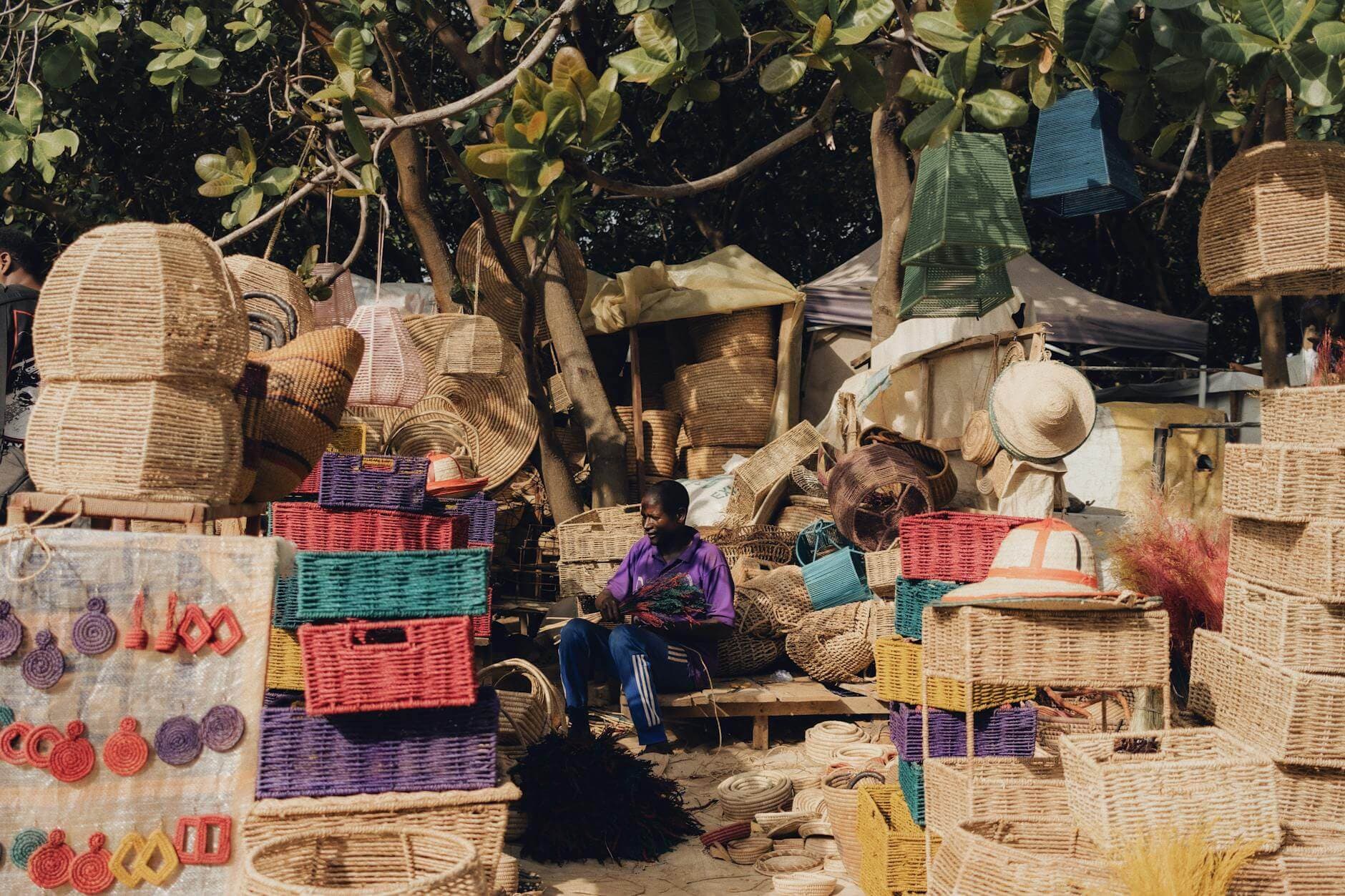
Senegal is known as the «gateway to Africa» and it's no coincidence. Its capital, Dakar, is a cosmopolitan and energetic city that combines tradition and modernity. But beyond the capital, the country hides natural and cultural treasures that few travelers expect to find: mangroves, nature reserves, traditional villages, fine sand beaches, and a Wolof culture that permeates every corner of the country.
Additionally, Senegal is considered one of the most stable and safe countries in West Africa, making it an excellent option for those approaching the continent for the first time.
What to See in Senegal: The Essentials
Tourism in Senegal offers a variety of experiences that are hard to exhaust in a single visit. These are the places and experiences you can't miss:
Dakar and Gorée Island
The Senegalese capital is the natural starting point of any trip. Its markets, gastronomy, the artistic neighborhood of the Medina, and the African Renaissance monument are must-visit attractions. A few minutes by ferry, Gorée Island is a historical memorial site declared a World Heritage Site by UNESCO, where you can learn about the colonial past and the slave trade that marked the continent.
The Petite Côte and La Somone Lagoon
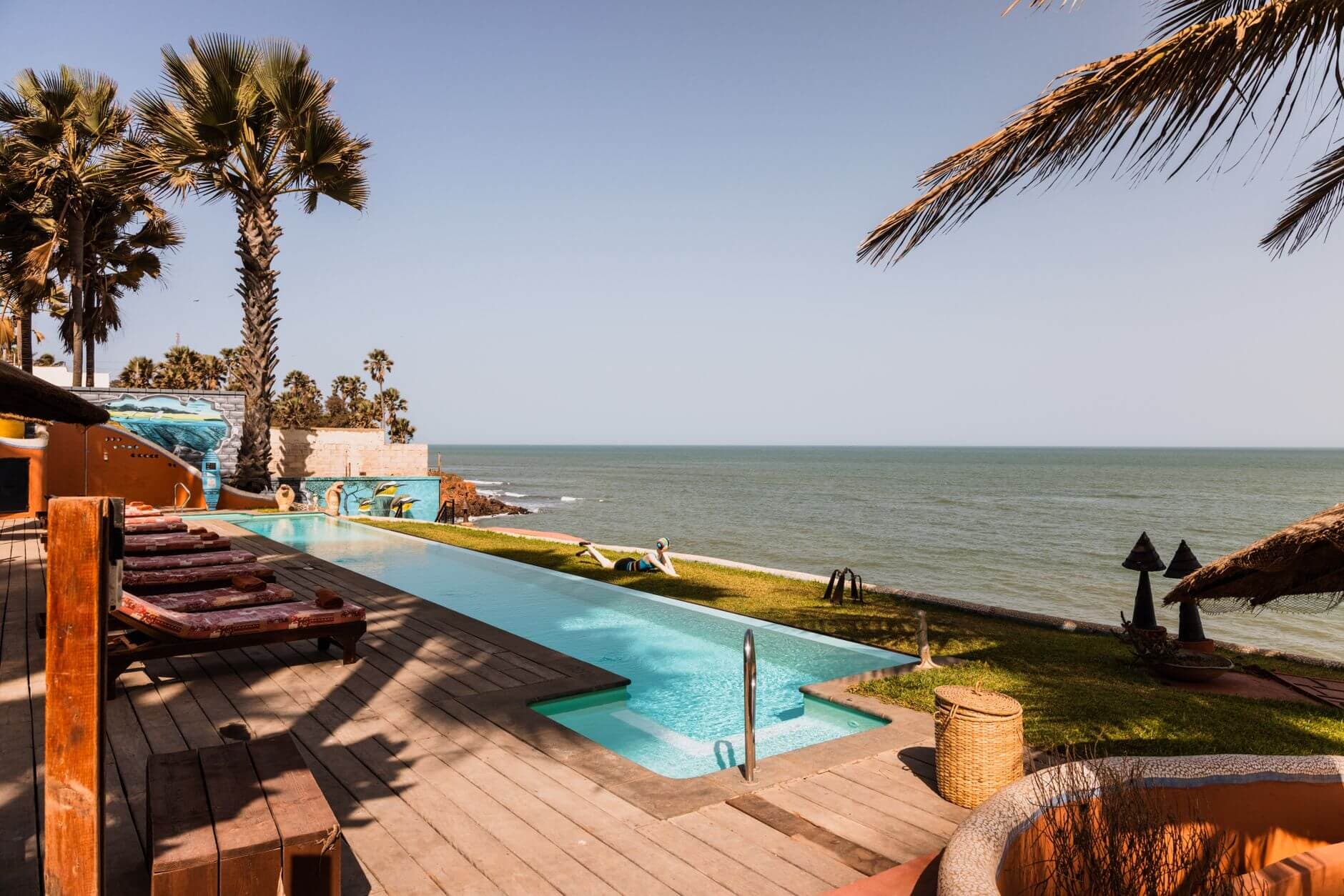
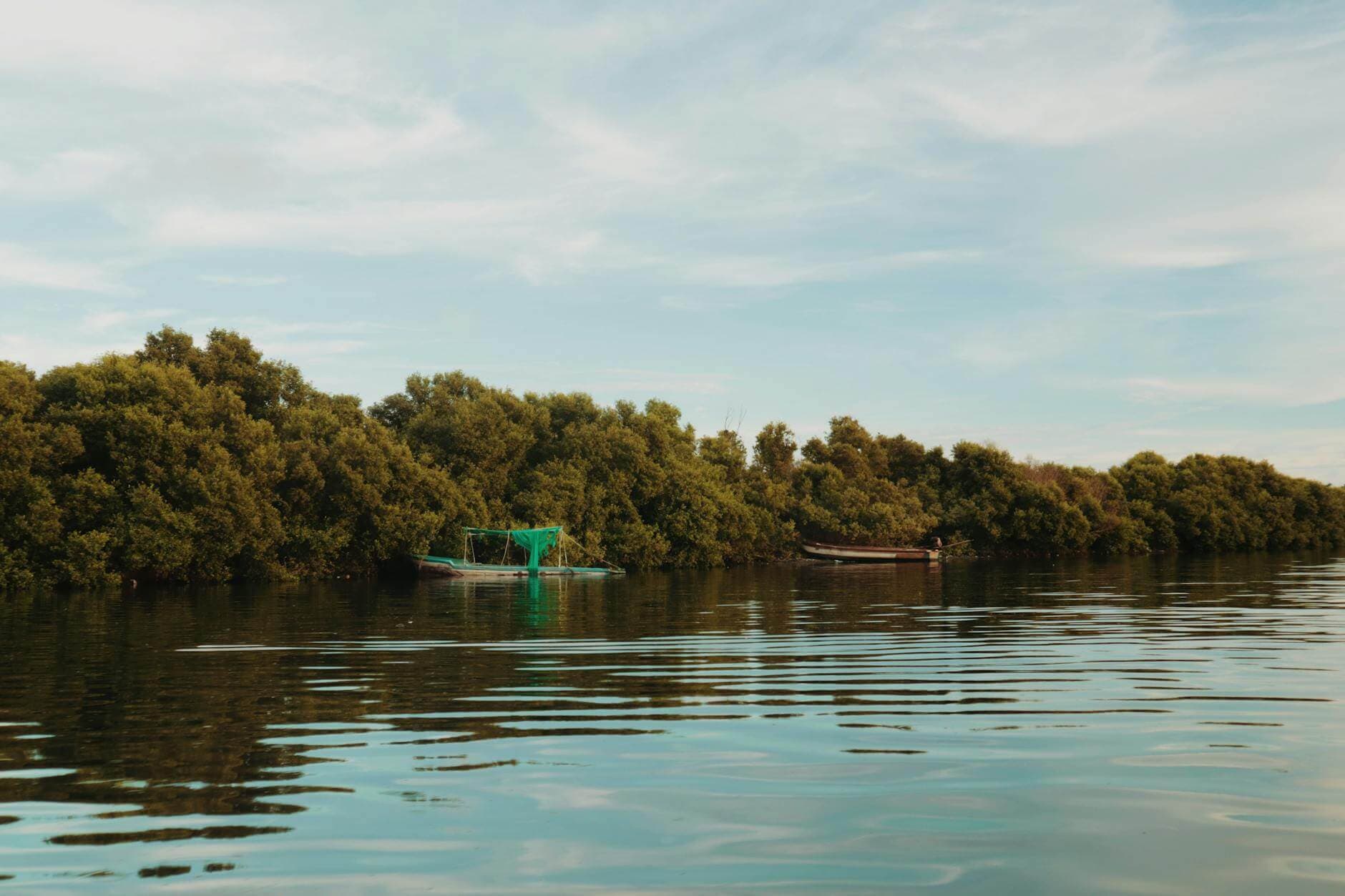
South of Dakar lies the Petite Côte, a coastal strip of paradisiacal beaches that includes destinations like Saly, Mbour, and La Somone Lagoon. The latter is a unique mangrove ecosystem where you can take pirogue excursions, birdwatch, and enjoy a nearly virgin natural environment. If you're looking for tranquility and nature, La Somone is an essential stop on your itinerary.
The Saloum Delta
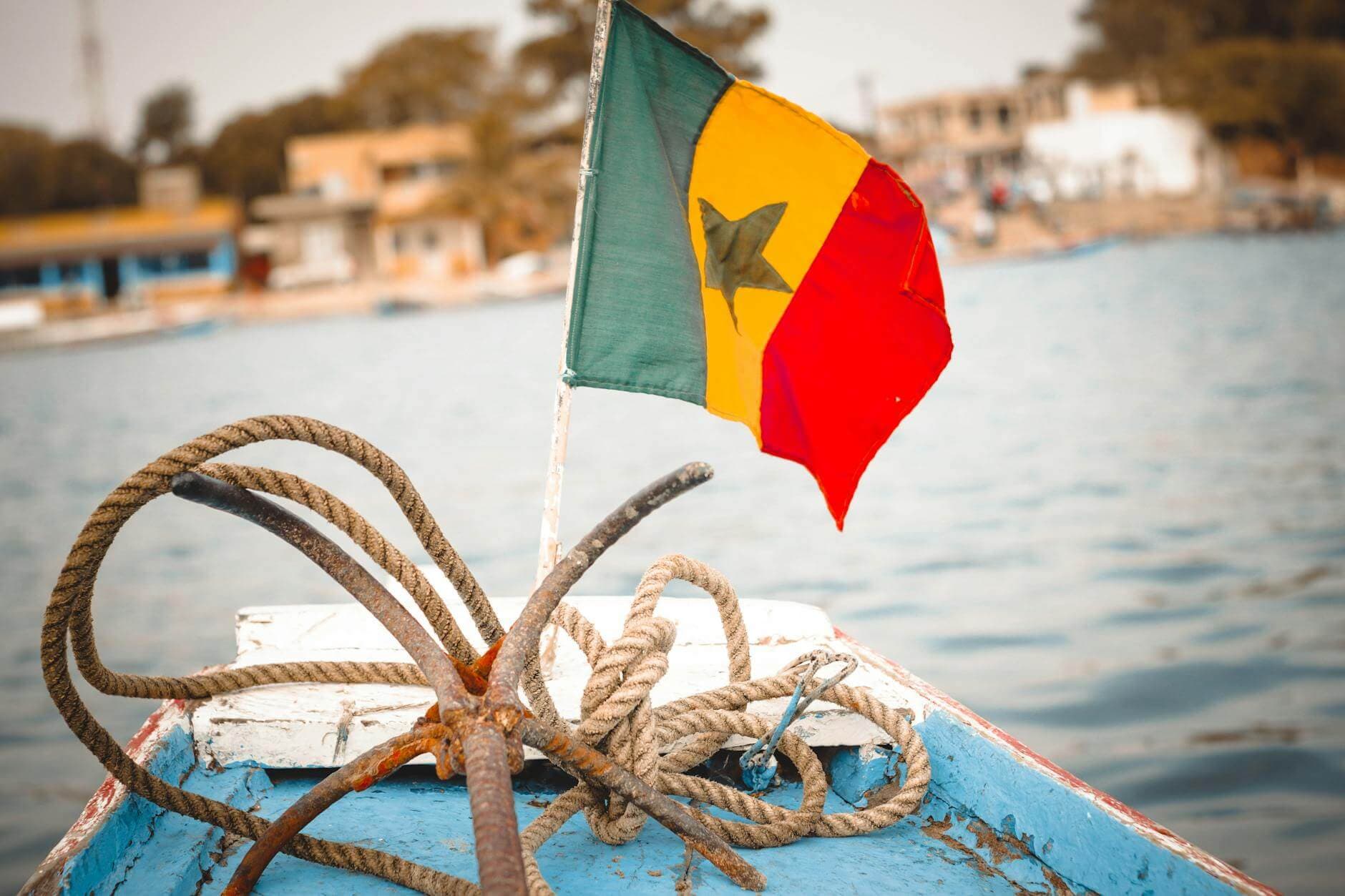
Declared a Biosphere Reserve by UNESCO, the Saloum Delta is a labyrinth of canals, islands, and mangroves of extraordinary beauty. It's the habitat of hundreds of bird species and a perfect place to navigate by pirogue among fishing villages that maintain their traditions intact.
Saint-Louis
Former capital of French West Africa, Saint-Louis is a city of colonial architecture that also has UNESCO recognition. Its bohemian atmosphere, historic bridges, and proximity to the Djoudj National Bird Park — one of the most important in the world for migratory birds — make it a top-level cultural visit.
Casamance
In the south of the country, the Casamance region offers lush nature, tropical forests, almost deserted beaches, and a unique Diola culture. It's the greenest and most tranquil Senegal, ideal for those seeking a more authentic and off-the-beaten-path experience.
How Many Days Do You Need in Senegal?
The answer depends on what you want to see, but as a rough guide:
- 5-7 days: enough to get to know Dakar, Gorée Island, the Petite Côte, and La Somone Lagoon. Ideal for a first contact.
- 10-12 days: allow you to add the Saloum Delta and Saint-Louis, with time to enjoy each destination without rushing.
- 14 days or more: the ideal time to also include Casamance and venture into the interior of the country, visiting traditional villages and nature reserves.
If you opt for an organized trip to Senegal, the itinerary will be designed to make the most of each day, without wasting time on logistics or improvised transfers.
Best Time to Travel to Senegal
Senegal has a tropical climate with two distinct seasons:
Dry Season (November – May)
This is the best time to travel to Senegal. The temperatures are pleasant, especially between November and February, when the harmattan — a dry wind from the Sahara — cools the nights. The visibility is excellent for birdwatching, and nature is at its best. The months from March to May are a bit warmer, but still highly recommended.
Rainy Season (June – October)
The rains are intense, especially in the south of the country. The roads can become impassable, and some natural parks close temporarily. However, the landscape becomes extraordinarily green, and prices drop significantly. More adventurous travelers can find a different and more authentic experience during this time.
Organized Trip to Senegal: The Smartest Option
Organizing a trip to Senegal on your own is possible, but it involves complex logistics: visas, vaccines, transfers between regions, accommodations in remote areas, and trusted local guides. An organized trip to Senegal with a specialized operator like NeoGeo DMC resolves all these aspects and allows you to enjoy the trip from the very beginning.
At NeoGeo DMC, we design custom trips to Senegal tailored to your interests, dates, and budget. From short getaways to the Petite Côte to complete circuits around the country, our on-site team guarantees a safe, authentic, and hassle-free experience. Contact us and tell us about your ideal trip.
Practical Tips Before Traveling
- Visa: Spanish citizens and those from most EU countries do not need a visa for stays of up to 90 days.
- Vaccines: the yellow fever vaccine is mandatory to enter Senegal. Also, consult the recommendations on malaria, hepatitis A, and typhoid with your doctor or international vaccination center.
- Currency: the CFA franc (XOF) is the local currency. It's recommended to carry some cash, as card payments are not always possible in rural areas.
- Language: French is the official language, although Wolof is the most spoken on the street. A few words in Wolof — like «nanga def» (how are you?) — are always welcome.
- Security: Senegal is one of the safest countries in the region. As with any trip, it's recommended to take basic precautions and purchase comprehensive travel insurance.
Frequently Asked Questions About Traveling to Senegal
Is it Safe to Travel to Senegal?
Yes, Senegal is considered one of the safest destinations in West Africa. It has a long democratic tradition and a welcoming society. As with any destination, it's recommended to inform yourself before traveling and follow the recommendations of the authorities.
How Much Does a Trip to Senegal Cost?
The cost varies greatly depending on the type of trip, duration, and level of accommodation chosen. In general, Senegal is an accessible destination compared to other African destinations. An organized trip with flights, accommodation, transfers, and guides can be adapted to different budgets.
What Vaccines Do I Need to Travel to Senegal?
The yellow fever vaccine is mandatory, and you must present the international certificate upon entering the country. Additionally, it's recommended to consult with a travel medicine specialist to assess antimalarial prophylaxis and other vaccines like hepatitis A, typhoid, or meningitis.
What is the Best Time to Visit Senegal?
The dry season, between November and May, is the best time to travel to Senegal. The temperatures are more pleasant, the roads are in better condition, and the fauna and flora are at their most spectacular.
Can I Take a Family Trip to Senegal?
Absolutely. Senegal is a very family-friendly destination: children are welcome everywhere, and the local culture treats them with special affection. The beaches, pirogue excursions through the mangroves, and visits to nature reserves are perfect activities for the whole family. An operator like NeoGeo DMC can design an itinerary adapted to travelers with children.