Travel to Senegal: All You Need to Know to Plan Your Adventure
Senegal is one of those destinations that, once it catches you, does not let you go. With a vibrant culture, landscapes of surprising diversity, and a hospitality that the Senegalese themselves call teranga, this West African country has become one of the most exciting destinations on the continent. If you are thinking of organizing one of your next trips to Senegal, this complete guide will give you everything you need to get started.
Why Choose Senegal as a Travel Destination?
Senegal offers a unique combination of experiences that you will hardly find anywhere else. Unlike other African destinations, Senegal is known for its political stability, its constantly growing tourist infrastructure, and the genuine warmth of its people. Here you will not find large savannah animals like in East Africa, but a wealth of cultural, gastronomic, and natural richness that more than compensates.
From the bustling streets of Dakar to the tranquil beaches of the Petite Côte, passing through the mangroves of the Siné-Saloum Delta or the baobabs of the interior, each corner of the country has something special to offer. Trips to Senegal adapt to all types of travelers: adventurers, nature lovers, culture enthusiasts, or simply those looking to disconnect in a different environment.
What is the Best Time to Travel to Senegal
Choosing the right time for your trip will make a huge difference in your experience. Senegal has a tropical climate with two well-differentiated seasons:
- Dry season (November to May): It is the best time to visit Senegal. The temperatures are pleasant, especially between November and February, when the fresh air from the north cools the atmosphere. The sky is clear, the roads are passable, and the fauna in the natural parks is easier to spot because the animals concentrate around water points.
- Rainy season (June to October): The rains are intense, especially in the south of the country. However, this time has its charm: the landscape becomes lush and green, prices drop, and there are fewer tourists. It is not the most recommended option for first-time visitors.
In summary, if you want to enjoy the best possible experience on your trips to Senegal, plan your visit between December and March. It is the ideal period to combine beach, nature, and culture without worrying about the rains.
What to See and Do in Senegal
Dakar: The City that Never Sleeps
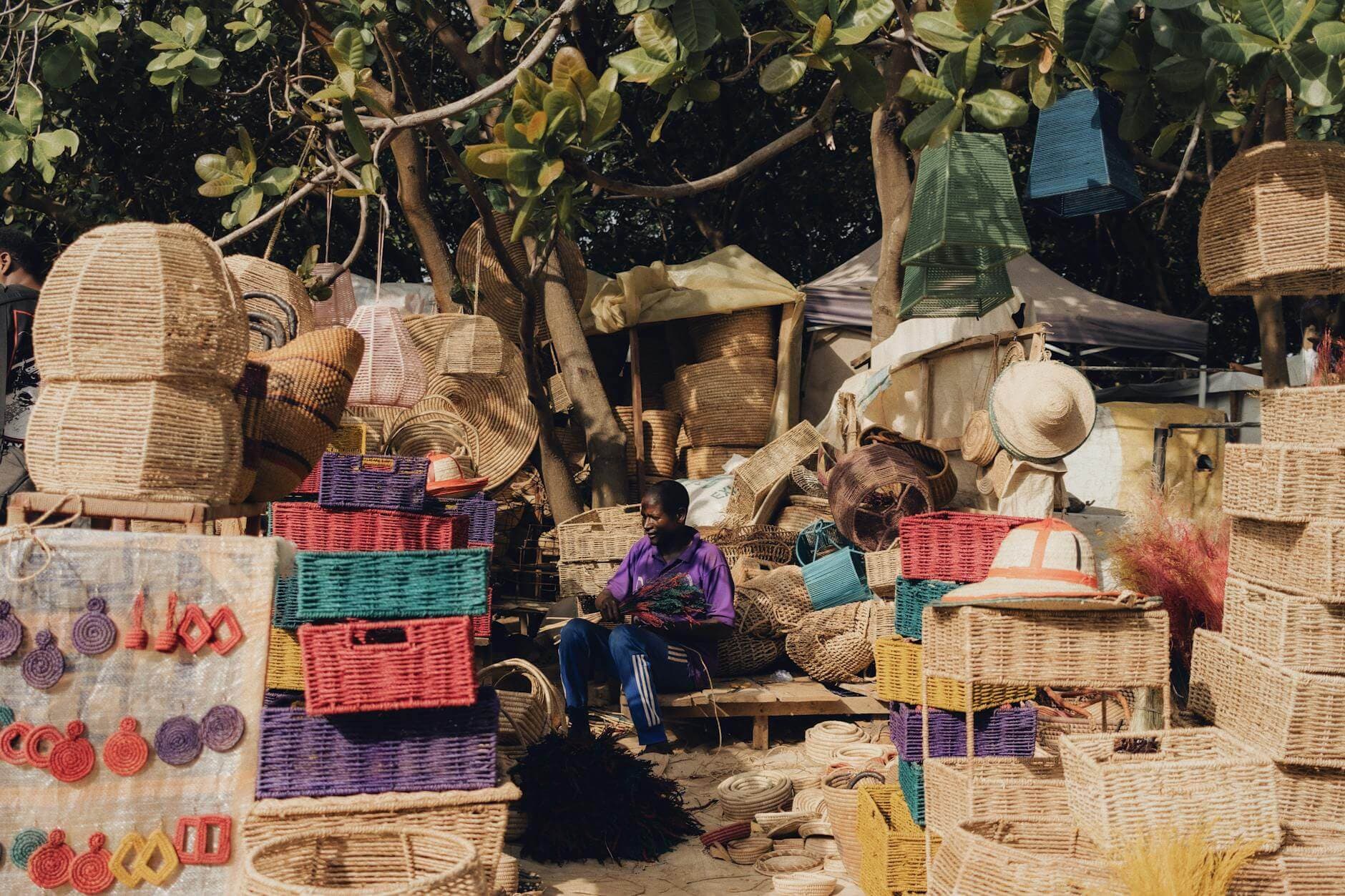
Any trip to Senegal begins, or at least passes, through Dakar. The capital is an energetic, chaotic, and fascinating city in equal parts. The Sandaga market, the artistic neighborhood of the Medina, the Monument of the African Renaissance, and the vibrant music scene are just some of the reasons to dedicate at least two or three days to it. From Dakar, you can also easily access the island of Gorée, declared a UNESCO World Heritage Site, a place loaded with history and emotion that you should not miss.
The Petite Côte and the La Somone Lagoon
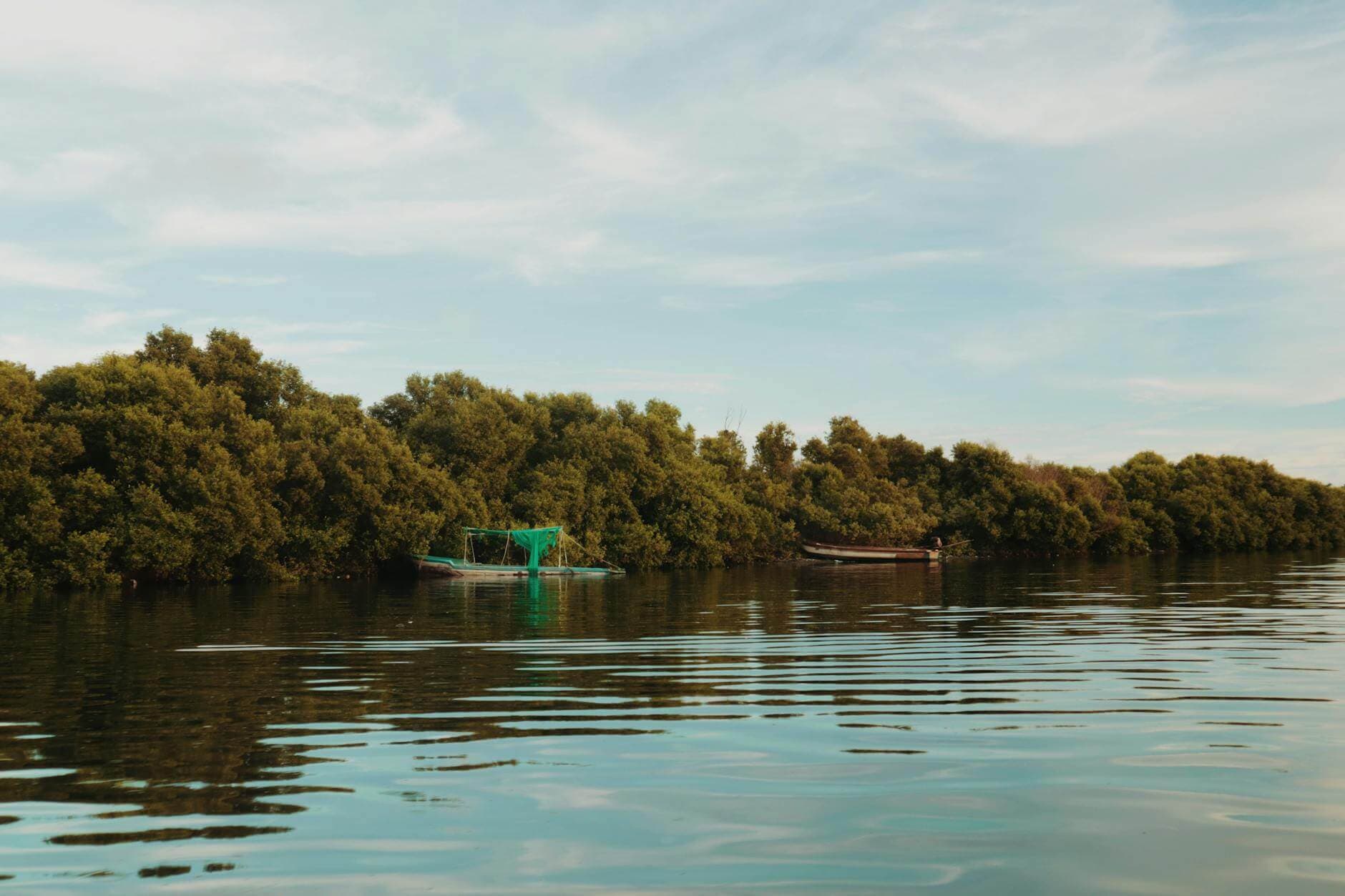
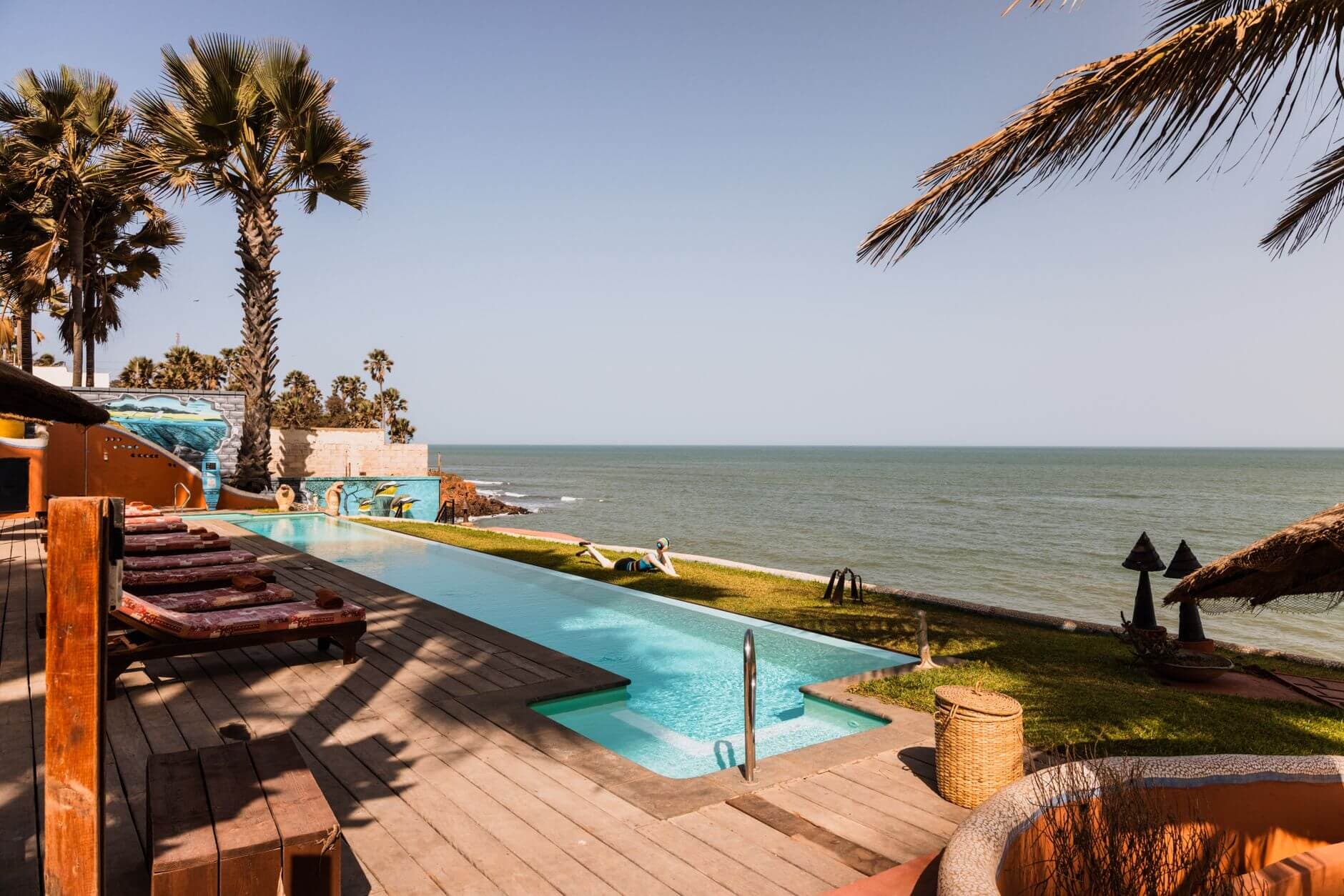
Just over an hour from Dakar, the so-called Petite Côte stretches, a strip of golden sand beaches bathed by the Atlantic. Among its most precious jewels is the La Somone lagoon, an ecosystem of mangroves and calm waters where hundreds of bird species coexist. It is the perfect place to practice kayaking, spot flamingos, or simply relax away from the city noise. At NeoGeo DMC, we organize excursions to La Somone designed for you to live this experience in an authentic and sustainable way.
The Siné-Saloum Delta
Declared a Biosphere Reserve by UNESCO, the Siné-Saloum Delta is one of the richest and most spectacular ecosystems in West Africa. A labyrinth of canals, islands, mangroves, and sandbanks where artisanal fishing coexists with extraordinary biodiversity. The dawn pirogue rides are an experience that stays etched in memory forever.
Saint-Louis: The Heritage City
In the north of the country, Saint-Louis is a city of French colonial architecture that preserves a unique atmosphere. Its cobblestone streets, its bridges over the Senegal River, and its musical heritage make it an essential destination for those who want to understand Senegalese history and identity in depth. The Djoudj National Bird Park, a few kilometers away, is one of the most important bird sanctuaries in the world.
Casamance: The Green and Mysterious South
The Casamance region, in the far south of the country, is perhaps the most different from all of Senegal. With lush vegetation, almost virgin beaches, and a very particular Diola culture, it is the favorite destination of those seeking authenticity and nature in its purest state. The city of Ziguinchor and the beaches of Cap Skirring are the reference points of this region.
Practical Information for Your Trips to Senegal
Documentation and Visa
Spanish citizens and those from most European countries do not need a visa to enter Senegal for stays of up to 90 days. A valid passport is sufficient. However, always check the updated regulations before traveling, as conditions may change.
Vaccines and Health
The yellow fever vaccine is mandatory to enter Senegal. In addition, antimalarial prophylaxis is recommended, especially if you travel during the rainy season or visit rural areas. Consult with your doctor or international vaccination center with sufficient notice, ideally with a 4-6 week margin before your trip.
Currency and Payments
The official currency is the CFA Franc (XOF). Although in high-end hotels and restaurants, credit cards are accepted, in markets, villages, and rural areas, cash is essential. It is recommended to bring euros to exchange at the destination or withdraw money from ATMs in Dakar.
How to Move Around the Country
To move between cities, sept-place (seven-seat shared taxis) are the most used means of transportation by locals. For greater comfort, especially if you travel in a group or with a closed itinerary, the ideal is to hire a vehicle with a driver through a tourist operator like NeoGeo DMC, which guarantees security, flexibility, and local knowledge.
Why Travel to Senegal with a Specialized DMC?
Organizing a trip to a destination like Senegal can be exciting but also complex. Trips to Senegal tailored by a local tourism operator make the difference between a superficial experience and an authentic and hassle-free adventure. At NeoGeo DMC, we have a team on site that knows every corner of the country, speaks local languages, and has direct relationships with communities. This translates into unique experiences, fair prices, and the peace of mind of having support at all times.
If you want to truly discover Senegal, contact us and we will design your customized trip together.
Frequently Asked Questions about Traveling to Senegal
Is it Safe to Travel to Senegal?
Senegal is considered one of the most stable and safe countries in West Africa. As with any destination, it is recommended to take basic precautions: do not display valuables, avoid poorly trafficked areas at night, and hire travel insurance. The Casamance region has historically had some local tensions, so it is advisable to inform yourself before visiting.
How Many Days Do I Need to Visit Senegal?
A minimum of 10-12 days will allow you to get to know the main points: Dakar, the Petite Côte, the Siné-Saloum, and Saint-Louis. To include Casamance or make a more leisurely and in-depth tour, it is ideal to have 15 days or more.
What is the Best Time to Go to Senegal?
The best time to travel to Senegal is the dry season, between November and May. The months from December to February are especially recommended for the fresher and more pleasant temperatures.
What Language is Spoken in Senegal?
The official language is French, but the most spoken language in everyday life is Wolof. In tourist areas, it is common to find people who speak English and Spanish. Learning a few words in Wolof, such as salamaleekum (hello) or jërëjëf (thank you), is always well received by locals.
Do I Need Vaccines to Travel to Senegal?
Yes. The yellow fever vaccine is mandatory, and you must present the international vaccination certificate upon entering the country. Additionally, it is recommended to be up to date with other vaccines such as hepatitis A and B, typhoid, and meningitis, and to take antimalarial prophylaxis. Always consult with your doctor before traveling.